
A well-organized kitchen can completely change the way you cook, clean, and enjoy your home. Whether you have a small apartment kitchen or a large family cooking space, organization helps save time, reduce stress, and maximize storage. Many people struggle with cluttered countertops, overflowing cabinets, and messy drawers because they do not have a proper system in place.
The good news is that organizing your kitchen does not require expensive renovations or professional help. With a few smart strategies and consistent habits, you can transform your kitchen into a neat, efficient, and enjoyable space. From decluttering old items to arranging cooking essentials strategically, every small improvement makes a big difference.
In this guide, you will learn practical and easy-to-follow steps to how to organize your kitchen effectively. These methods are beginner-friendly and work for kitchens of all sizes.
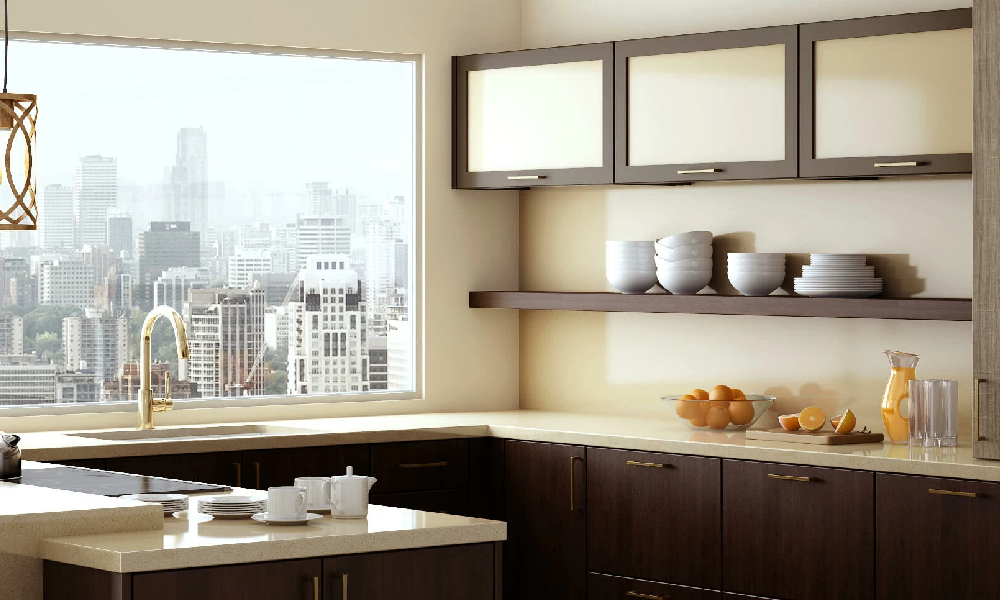
Why Kitchen Organization Matters
Before diving into the steps, it is important to understand why kitchen organization is essential.
An organized kitchen:
- Saves time while cooking
- Makes cleaning easier
- Reduces food waste
- Creates more storage space
- Improves kitchen safety
- Makes meal preparation more enjoyable
When every item has a designated place, you no longer waste time searching for utensils, spices, or ingredients. A clean and organized kitchen also creates a more relaxing atmosphere in your home.
Step 1: Declutter Everything First
The first and most important step in kitchen organization is decluttering. You cannot organize a messy kitchen properly if you keep unnecessary items.
Start by removing everything from:
- Cabinets
- Drawers
- Pantry shelves
- Countertops
- Refrigerator
Once everything is out, sort items into categories:
- Keep
- Donate
- Throw away
- Relocate
Check expiration dates on food products and throw away expired items. Remove duplicate utensils, broken appliances, cracked containers, and unused gadgets.
Ask yourself these questions:
- Do I use this regularly?
- Is it broken or damaged?
- Does it take unnecessary space?
- Can someone else use it better?
Decluttering creates more room and helps you understand how much storage you actually need.
Step 2: Group Similar Items Together
After decluttering, the next step is categorization. Grouping similar items together helps maintain order and improves accessibility.
Create sections for:
- Cooking utensils
- Baking tools
- Plates and bowls
- Pots and pans
- Spices
- Snacks
- Cleaning supplies
- Food containers
For example, keep all baking supplies such as measuring cups, flour, and baking trays in one area. Store coffee mugs near the coffee maker for convenience.
This method helps create a logical kitchen layout where everything is easy to find.
Popular Kitchen Zones
Cooking Zone
Keep pots, pans, spatulas, oils, and spices near the stove.
Cleaning Zone
Store dish soap, towels, trash bags, and cleaning products near the sink.
Food Prep Zone
Place cutting boards, knives, and mixing bowls together.
Pantry Zone
Organize dry foods, canned goods, and snacks in one dedicated area.
Kitchen zoning improves workflow and makes cooking much faster.
Step 3: Maximize Cabinet and Drawer Space
Most kitchens have hidden storage potential that people do not fully utilize. Smart storage solutions can instantly create more usable space.
Use Drawer Organizers
Drawer organizers help separate:
- Spoons
- Forks
- Knives
- Cooking tools
- Measuring spoons
This prevents clutter and keeps everything visible.
Install Shelf Risers
Shelf risers create extra layers inside cabinets, allowing you to stack plates, bowls, or mugs more efficiently.
Add Pull-Out Baskets
Pull-out baskets make it easier to access deep cabinets without removing everything.
Use Vertical Storage
Store items vertically whenever possible:
- Cutting boards
- Baking sheets
- Pan lids
Vertical storage saves space and improves accessibility.
Utilize Cabinet Doors
Inside cabinet doors, you can install hooks or small racks for:
- Measuring cups
- Pot lids
- Cleaning gloves
- Kitchen towels
These small adjustments can dramatically improve kitchen functionality.
Step 4: Organize Your Pantry Properly
A messy pantry often leads to wasted food and duplicate grocery purchases. Proper pantry organization helps you keep track of what you already have.
Use Clear Containers
Transfer dry foods into transparent containers for:
- Rice
- Pasta
- Flour
- Sugar
- Cereal
Clear containers keep food fresh while making everything look neat and organized.
Label Everything
Labels make it easier to identify items quickly. You can label:
- Food containers
- Spice jars
- Storage baskets
Consistent labeling creates a professional and tidy appearance.
Arrange by Frequency of Use
Store everyday items at eye level and less-used items on higher shelves.
For example:
- Daily snacks → easy access
- Seasonal baking supplies → upper shelves
Follow FIFO Method
FIFO means “First In, First Out.”
Place older food items in front and newer ones behind them. This helps reduce food waste and ensures older products get used first.
Step 5: Keep Countertops Clean and Minimal
Cluttered countertops make kitchens feel smaller and harder to clean. A minimalist countertop creates a more spacious and relaxing environment.
Only keep essential items on the counter, such as:
- Coffee maker
- Knife block
- Fruit bowl
- Frequently used utensils
Store rarely used appliances inside cabinets.
Use Trays for Organization
Decorative trays help group similar items together while maintaining a clean appearance.
For example:
- Coffee station tray
- Oil and spice tray
- Tea station tray
This makes countertops look intentional instead of cluttered.
Manage Cables and Small Appliances
Appliance cords can create visual mess. Use cable organizers or hooks to keep cords neat and hidden.
The cleaner your countertops are, the easier daily cleaning becomes.
Step 6: Create a Functional Refrigerator System
A disorganized refrigerator wastes food and makes meal preparation difficult. Creating designated sections helps maintain order.
Divide the Refrigerator into Zones
Top Shelves
Ready-to-eat foods and leftovers
Middle Shelves
Dairy products and beverages
Bottom Shelves
Raw meat and seafood
Drawers
Vegetables and fruits
Door Shelves
Condiments and sauces
Use Storage Bins
Bins help separate categories like:
- Snacks
- Drinks
- Cheese
- Meal prep ingredients
Transparent bins improve visibility and accessibility.
Clean Weekly
Wipe shelves regularly and remove expired items every week. This prevents bad odors and bacteria buildup.
A clean refrigerator supports healthier eating habits and reduces waste.
Step 7: Maintain Your Kitchen Organization Daily
Organization is not a one-time task. Maintaining How to Organize Your Kitchen daily is the key to long-term cleanliness and efficiency.
Follow Simple Daily Habits
Clean as You Cook
Wash utensils and wipe surfaces during meal preparation.
Put Items Back Immediately
Always return items to their designated places after use.
Do a 10-Minute Reset
Spend 10 minutes every evening organizing countertops and washing dishes.
Avoid Overbuying
Purchase only what you need to prevent pantry overflow.
Reevaluate Monthly
Check cabinets and drawers regularly to remove unnecessary clutter.
Consistency helps your kitchen stay organized without requiring major cleaning sessions.
Common Kitchen Organization Mistakes to Avoid
Even after organizing, some habits can quickly create clutter again.
Avoid these common mistakes:
- Keeping too many duplicate items
- Ignoring expired food
- Overcrowding cabinets
- Buying unnecessary kitchen gadgets
- Leaving items on countertops permanently
- Not labeling storage containers
Recognizing these mistakes early can help maintain a clean and efficient kitchen.
Best Kitchen Organization Products
While organization does not require expensive tools, some affordable products can help significantly.
Useful kitchen organization products include:
- Drawer dividers
- Clear pantry containers
- Lazy Susans
- Stackable shelves
- Storage baskets
- Spice racks
- Label makers
- Under-sink organizers
Choose products based on your kitchen size and storage needs.
Final Thoughts
Organizing your kitchen may seem overwhelming at first, but taking it step by step makes the process much easier. By decluttering unnecessary items, grouping similar products, maximizing storage, and maintaining simple daily habits, you can create a kitchen that feels clean, functional, and stress-free.
Remember that the goal is not perfection. The best kitchen organization system is one that works for your lifestyle and daily routine. Even small improvements can make cooking more enjoyable and save valuable time every day.
Start with one cabinet, one drawer, or one shelf at a time. Gradually, your entire kitchen will become more organized, efficient, and welcoming. A tidy kitchen not only improves your home but also creates a more comfortable and productive environment for you and your family.

- Dedicated and performance-focused SEO Specialist with professional expertise in Furniture, Kitchen, Leather, Home Interior, and Lifestyle industry SEO.
- Experienced in creating data-driven SEO strategies that improve organic rankings, website authority, lead generation, and long-term business growth.
- Specialized in SEO for:
- Modular Kitchen & Smart Kitchen Solutions
- Kitchen Cabinets & Accessories
- Home, Office & Custom Furniture
- Bedroom, Dining & Living Room Furniture
- Interior Design & Home Décor
- Leather Fashion & Lifestyle Products
- Advanced experience in Leather industry SEO, including:
- Genuine Leather Products
- Leather Bags & Travel Accessories
- Leather Wallets & Card Holders
- Leather Belts & Corporate Accessories
- Handmade Leather Goods
- Leather Jackets & Fashion Items
- Premium & Luxury Leather Collections
- Core SEO expertise includes:
- On-Page SEO Optimization
- Technical SEO Audits
- Off-Page SEO & Link Building
- Keyword Research & Competitor Analysis
- SEO Content Planning
- E-commerce SEO
- Local SEO
- Google Search Console & Analytics Optimization
- Website Structure & User Experience Improvement
- Strong understanding of SEO-friendly product content, category structure, and conversion-focused digital marketing strategies.
- Experienced in optimizing eCommerce and business websites for higher visibility, better user engagement, and sustainable organic traffic growth.
- Ability to combine business strategy, audience research, and modern SEO techniques to build strong digital brand presence.
- Educational Qualifications:
- Graduation in Geography & Environment from Government B. L. College
- MBA in HRM from Sundarban University
- Passionate about continuous learning, search engine algorithm updates, AI-driven SEO trends, and digital business development.
- Believes in ethical SEO practices, professionalism, transparency, and long-term client success.
- Strong communication, leadership, and project management skills with the ability to work on both local and international projects.
- Proud follower of Islam, maintaining values of honesty, discipline, respect, and responsibility in every professional commitment.
- Based in Khulna and actively working in the digital marketing and SEO industry with a vision for sustainable online growth and branding excellence.