
Finding ants in the kitchen can be frustrating and unpleasant. These tiny insects often appear suddenly around countertops, sinks, cabinets, and food containers. Once ants discover a food source, they leave scent trails that attract even more ants into your kitchen. If the problem is ignored, a small ant issue can quickly turn into a larger infestation.
The good news is that you do not always need expensive pest control treatments to remove ants from your kitchen. With proper cleaning, natural remedies, and prevention techniques, you can eliminate ants and stop them from returning.
In this guide, you will learn practical and effective ways how to to get rid of ants in the kitchen safely and efficiently.
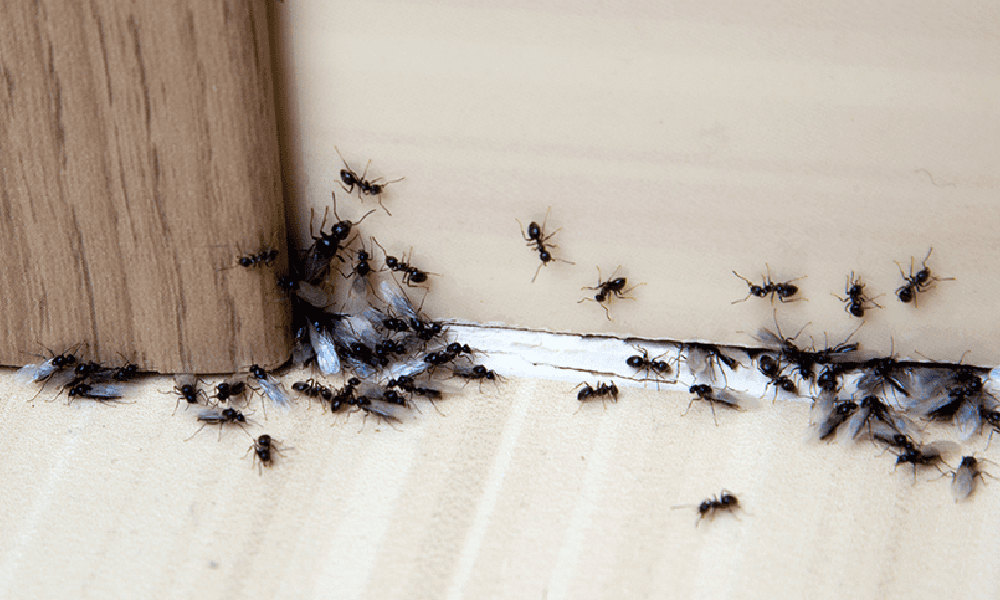
Why Ants Come Into the Kitchen
Ants usually enter kitchens searching for:
- Food crumbs
- Sugar and sweets
- Water and moisture
- Pet food
- Grease or spills
Even tiny food particles can attract large numbers of ants.
Common places where ants appear include:
- Kitchen counters
- Sink areas
- Cabinets
- Pantry shelves
- Trash bins
- Cracks near windows or doors
Understanding why ants enter the kitchen helps you remove the source of the problem.
Step 1: Identify Where the Ants Are Coming From
Before removing ants, try to locate their entry points and trails.
Watch where the ants travel and check areas like:
- Window gaps
- Door cracks
- Wall corners
- Plumbing openings
- Floor edges
Ants usually follow a visible line between their nest and food source.
Identifying the trail helps you target the problem more effectively.
Step 2: Clean the Kitchen Thoroughly
A clean kitchen is one of the best ways to stop ants.
Focus on Food Sources
Clean:
- Countertops
- Dining tables
- Floors
- Cabinets
- Pantry shelves
Remove:
- Food crumbs
- Sticky spills
- Sugar residue
- Grease buildup
Even small crumbs can attract ants quickly.
Wash Dishes Immediately
Dirty dishes left overnight are a major attraction for ants.
Always:
- Wash dishes promptly
- Dry the sink area
- Empty standing water
Keeping the kitchen dry and clean makes it less appealing to ants.
Step 3: Store Food Properly
Ants can easily access open food containers.
Use Airtight Containers
Store items like:
- Sugar
- Flour
- Rice
- Cereal
- Snacks
- Pet food
in sealed containers.
Keep Fruits Covered
Overripe fruits can attract ants very quickly.
Store fruits in the refrigerator or covered bowls when possible.
Proper food storage reduces the chances of ants returning.
Step 4: Use Natural Ant Remedies
Natural remedies can help eliminate ants safely without strong chemicals.
Vinegar Solution
Mix equal parts:
- White vinegar
- Water
Spray along ant trails, countertops, and entry points.
Vinegar removes scent trails that ants use to navigate.
Lemon Juice
Lemon juice can also disrupt ant trails.
Apply lemon juice near:
- Windows
- Doors
- Cracks
- Sink edges
Baking Soda and Sugar
Mix:
- Baking soda
- Powdered sugar
The sugar attracts ants while the baking soda helps eliminate them.
Place small amounts near ant activity areas.
Cinnamon or Peppermint
Strong scents like cinnamon and peppermint may help repel ants naturally.
Natural methods are affordable and safer for homes with children or pets.
Step 5: Seal Entry Points
Even after removing ants, they may return if entry points remain open.
Inspect your kitchen carefully and seal:
- Wall cracks
- Window gaps
- Door edges
- Pipe openings
Use:
- Caulk
- Weather stripping
- Sealants
Blocking entry points helps prevent future infestations.
Step 6: Remove Moisture and Standing Water
Ants need water to survive, especially during hot weather.
Fix Moisture Problems
Check for:
- Leaking pipes
- Wet sponges
- Damp cabinets
- Water around sinks
Dry wet areas regularly and repair leaks quickly.
A dry kitchen becomes much less attractive to ants.
Step 7: Take Out Trash Regularly
Kitchen garbage is a common ant attraction.
Keep Trash Bins Clean
- Empty trash daily
- Use bins with lids
- Wash trash cans regularly
Food residue inside trash bins can quickly attract ants and other insects.
Keeping garbage under control is essential for preventing infestations.
Step 8: Use Ant Baits if Necessary
If natural methods do not fully solve the problem, ant baits can be effective.
Ant baits work by:
- Attracting ants with food
- Allowing ants to carry poison back to the nest
- Eliminating the colony gradually
Place baits near ant trails but away from children and pets.
Avoid spraying ants directly when using bait because worker ants need to carry the bait back to the colony.
Best Natural Ingredients for Killing Ants
Several common household ingredients can help fight ants naturally.
White Vinegar
Removes scent trails and cleans surfaces.
Baking Soda
Can help eliminate ants when mixed with sugar.
Lemon Juice
Repels ants naturally.
Cinnamon
Strong smell helps deter ants.
Peppermint Oil
Acts as a natural ant repellent.
Natural solutions are often effective for mild to moderate ant problems.
Common Mistakes to Avoid
Some habits can make ant problems worse.
Avoid these mistakes:
- Leaving food uncovered
- Ignoring small ant trails
- Leaving dirty dishes overnight
- Forgetting pet food bowls
- Using too much water near cabinets
- Not sealing entry points
Consistency is important when dealing with ants.
How to Prevent Ants from Returning
Prevention is the best long-term solution.
Daily Prevention Tips
- Wipe counters regularly
- Sweep floors daily
- Store food properly
- Keep sinks dry
- Take out trash often
- Seal food containers tightly
A clean and organized kitchen greatly reduces the chances of another ant infestation.
When to Call Professional Pest Control
Sometimes ant infestations become too severe for home treatments alone.
Consider professional help if:
- Ants keep returning repeatedly
- Multiple rooms are affected
- You find large nests indoors
- Natural remedies are ineffective
Pest control professionals can identify the exact ant species and provide targeted treatments.
Final Thoughts
Getting rid of ants in the kitchen requires a combination of cleaning, prevention, and proper treatment methods. By removing food sources, sealing entry points, using natural remedies, and maintaining good kitchen hygiene, you can eliminate ants effectively and prevent them from coming back.
The key is consistency. Even small crumbs or moisture problems can attract ants again if regular cleaning habits are ignored.
Start by cleaning your kitchen thoroughly, follow the prevention tips, and stay patient during the process. With the right approach, you can keep your kitchen clean, fresh, and completely free from ants.

- Dedicated and performance-focused SEO Specialist with professional expertise in Furniture, Kitchen, Leather, Home Interior, and Lifestyle industry SEO.
- Experienced in creating data-driven SEO strategies that improve organic rankings, website authority, lead generation, and long-term business growth.
- Specialized in SEO for:
- Modular Kitchen & Smart Kitchen Solutions
- Kitchen Cabinets & Accessories
- Home, Office & Custom Furniture
- Bedroom, Dining & Living Room Furniture
- Interior Design & Home Décor
- Leather Fashion & Lifestyle Products
- Advanced experience in Leather industry SEO, including:
- Genuine Leather Products
- Leather Bags & Travel Accessories
- Leather Wallets & Card Holders
- Leather Belts & Corporate Accessories
- Handmade Leather Goods
- Leather Jackets & Fashion Items
- Premium & Luxury Leather Collections
- Core SEO expertise includes:
- On-Page SEO Optimization
- Technical SEO Audits
- Off-Page SEO & Link Building
- Keyword Research & Competitor Analysis
- SEO Content Planning
- E-commerce SEO
- Local SEO
- Google Search Console & Analytics Optimization
- Website Structure & User Experience Improvement
- Strong understanding of SEO-friendly product content, category structure, and conversion-focused digital marketing strategies.
- Experienced in optimizing eCommerce and business websites for higher visibility, better user engagement, and sustainable organic traffic growth.
- Ability to combine business strategy, audience research, and modern SEO techniques to build strong digital brand presence.
- Educational Qualifications:
- Graduation in Geography & Environment from Government B. L. College
- MBA in HRM from Sundarban University
- Passionate about continuous learning, search engine algorithm updates, AI-driven SEO trends, and digital business development.
- Believes in ethical SEO practices, professionalism, transparency, and long-term client success.
- Strong communication, leadership, and project management skills with the ability to work on both local and international projects.
- Proud follower of Islam, maintaining values of honesty, discipline, respect, and responsibility in every professional commitment.
- Based in Khulna and actively working in the digital marketing and SEO industry with a vision for sustainable online growth and branding excellence.