
Leather is a stylish, durable, and luxurious material used in furniture, jackets, shoes, bags, car seats, and many other items. However, leather requires proper care and cleaning to maintain its appearance and longevity. Dust, stains, body oils, and moisture can damage leather over time if not cleaned correctly.
The good news is that cleaning leather does not have to be complicated. With the right techniques and gentle products, you can safely clean leather while keeping it soft, smooth, and beautiful for years.
In this guide, you will learn how to clean leather properly, remove stains, condition the material, and avoid common mistakes that can damage leather surfaces.
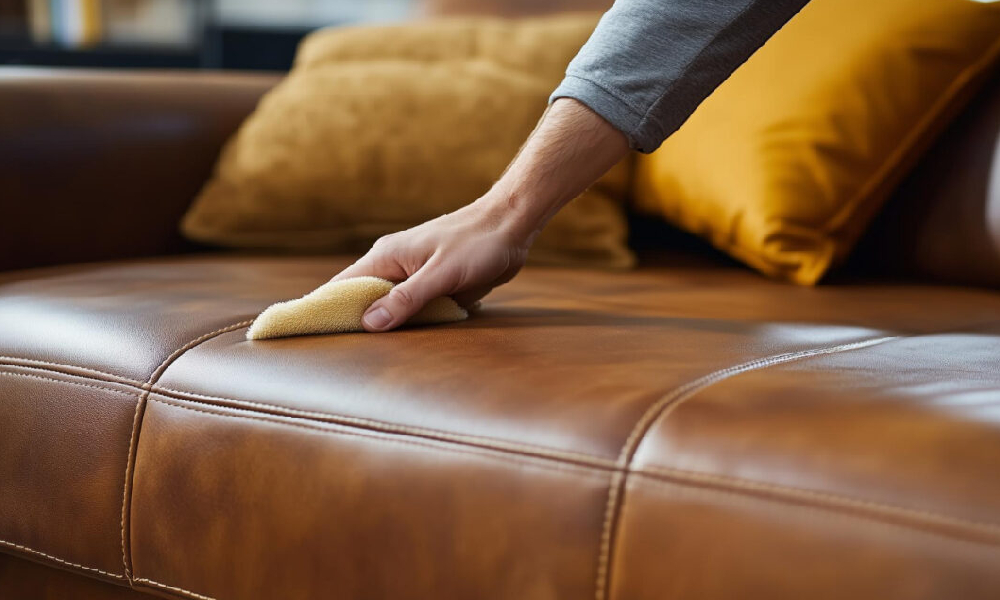
Why Proper Leather Cleaning Is Important
Leather is sensitive to harsh chemicals, excess moisture, and rough cleaning methods.
Regular leather cleaning helps:
- Prevent cracking and dryness
- Remove dirt and stains
- Maintain softness and shine
- Extend leather lifespan
- Protect against discoloration
- Improve overall appearance
Proper maintenance keeps leather looking elegant and well-preserved.
Step 1: Identify the Type of Leather
Before cleaning leather, it is important to know what type of leather you are dealing with.
Common types include:
- Genuine leather
- Faux leather
- Suede
- Nubuck
- Finished leather
Different leather materials require slightly different cleaning methods.
Check the Manufacturer’s Instructions
Always read any care labels or product recommendations before cleaning.
Using the wrong cleaner can permanently damage leather surfaces.
Step 2: Remove Dust and Loose Dirt
Start by removing surface dust and debris.
Use:
- A dry microfiber cloth
- A soft brush
- A vacuum with brush attachment
Gently wipe or brush the leather surface.
Pay attention to:
- Seams
- Corners
- Folds
- Creases
Removing loose dirt first prevents scratches during deeper cleaning.
Step 3: Prepare a Gentle Leather Cleaning Solution
Leather should always be cleaned with mild products.
Simple Homemade Leather Cleaner
Mix:
- Warm water
- A few drops of mild dish soap
Avoid strong chemicals such as:
- Bleach
- Ammonia
- Alcohol-based cleaners
- Abrasive products
Harsh cleaners can dry out leather and damage its finish.
For delicate leather items, use specialized leather cleaners whenever possible.
Step 4: Wipe the Leather Carefully
Dip a microfiber cloth into the cleaning solution and wring it out thoroughly.
The cloth should be slightly damp, not soaking wet.
Gently wipe the leather surface using circular motions.
Focus on Dirty Areas
Pay extra attention to:
- Armrests
- Handles
- Seat cushions
- High-contact areas
Do not scrub aggressively because friction may damage the leather texture.
Clean small sections at a time for better results.
Step 5: Remove Stains Safely
Different stains require different cleaning approaches.
Water Stains
Use a damp cloth to lightly blend the stain evenly across the surface.
Allow it to dry naturally.
Oil or Grease Stains
Sprinkle:
- Cornstarch
- Baking soda
onto the stain and let it sit for several hours to absorb oil.
Brush away gently afterward.
Ink Stains
Use a cotton swab with a very small amount of rubbing alcohol.
Test on a hidden area first before applying.
Food Stains
Wipe immediately using a damp cloth and mild soap solution.
Quick action usually prevents permanent staining.
Step 6: Dry the Leather Properly
After cleaning, dry the leather using a soft dry cloth.
Avoid:
- Hair dryers
- Direct sunlight
- Heaters
Excess heat can cause leather to crack or shrink.
Allow leather to air dry naturally in a cool and ventilated area.
Proper drying helps maintain leather softness and flexibility.
Step 7: Apply Leather Conditioner
Conditioning is one of the most important parts of leather care.
Leather naturally loses moisture over time, which can lead to dryness and cracking.
Benefits of Leather Conditioner
Conditioner helps:
- Restore moisture
- Prevent cracking
- Maintain softness
- Improve appearance
Apply a small amount of leather conditioner using a clean cloth.
Use gentle circular motions and allow the conditioner to absorb fully.
Condition leather every few months for the best results.
Step 8: Protect Leather from Future Damage
Preventive care helps reduce future cleaning problems.
Keep Leather Away from Direct Sunlight
Sun exposure can fade and dry out leather surfaces.
Avoid Excess Moisture
Too much water can stain or weaken leather.
Clean Spills Quickly
Immediate cleaning prevents stains from setting permanently.
Store Leather Properly
Store leather items in cool and dry environments.
Good maintenance keeps leather looking new longer.
How to Clean Different Leather Items
Leather Furniture
Vacuum regularly and wipe with a damp microfiber cloth.
Leather Shoes
Remove dirt with a soft brush and use shoe-specific leather polish.
Leather Jackets
Spot clean gently and avoid machine washing.
Leather Bags
Use mild soap solution and avoid overfilling the bag.
Different leather products may require specialized care depending on their finish and usage.
Common Mistakes to Avoid When Cleaning Leather
Many people accidentally damage leather by using improper cleaning methods.
Avoid these mistakes:
- Using too much water
- Scrubbing aggressively
- Applying harsh chemicals
- Skipping conditioner
- Drying leather with heat
- Ignoring spills for too long
Gentle care is essential for maintaining leather quality.
Best Products for Leather Cleaning
Helpful leather care products include:
- Microfiber cloths
- Leather cleaners
- Leather conditioners
- Soft brushes
- Leather protectant sprays
Using products designed specifically for leather usually provides safer results.
How Often Should You Clean Leather?
Cleaning frequency depends on usage and exposure.
Recommended Schedule
Weekly
Dust and wipe surfaces lightly.
Monthly
Perform gentle deep cleaning.
Every 3–6 Months
Condition the leather thoroughly.
Regular maintenance prevents heavy dirt buildup and extends leather lifespan.
Final Thoughts
Leather is a beautiful and durable material, but it requires proper care to stay in excellent condition. By using gentle cleaning methods, removing stains carefully, conditioning regularly, and avoiding harsh products, you can keep your leather items clean, soft, and attractive for many years.
The key to successful leather care is consistency and gentle handling. Small maintenance habits can prevent expensive damage and preserve the natural beauty of leather surfaces.
Whether you are cleaning leather furniture, shoes, bags, or jackets, following the correct techniques will help protect your investment and maintain a polished appearance over time.

- Dedicated and performance-focused SEO Specialist with professional expertise in Furniture, Kitchen, Leather, Home Interior, and Lifestyle industry SEO.
- Experienced in creating data-driven SEO strategies that improve organic rankings, website authority, lead generation, and long-term business growth.
- Specialized in SEO for:
- Modular Kitchen & Smart Kitchen Solutions
- Kitchen Cabinets & Accessories
- Home, Office & Custom Furniture
- Bedroom, Dining & Living Room Furniture
- Interior Design & Home Décor
- Leather Fashion & Lifestyle Products
- Advanced experience in Leather industry SEO, including:
- Genuine Leather Products
- Leather Bags & Travel Accessories
- Leather Wallets & Card Holders
- Leather Belts & Corporate Accessories
- Handmade Leather Goods
- Leather Jackets & Fashion Items
- Premium & Luxury Leather Collections
- Core SEO expertise includes:
- On-Page SEO Optimization
- Technical SEO Audits
- Off-Page SEO & Link Building
- Keyword Research & Competitor Analysis
- SEO Content Planning
- E-commerce SEO
- Local SEO
- Google Search Console & Analytics Optimization
- Website Structure & User Experience Improvement
- Strong understanding of SEO-friendly product content, category structure, and conversion-focused digital marketing strategies.
- Experienced in optimizing eCommerce and business websites for higher visibility, better user engagement, and sustainable organic traffic growth.
- Ability to combine business strategy, audience research, and modern SEO techniques to build strong digital brand presence.
- Educational Qualifications:
- Graduation in Geography & Environment from Government B. L. College
- MBA in HRM from Sundarban University
- Passionate about continuous learning, search engine algorithm updates, AI-driven SEO trends, and digital business development.
- Believes in ethical SEO practices, professionalism, transparency, and long-term client success.
- Strong communication, leadership, and project management skills with the ability to work on both local and international projects.
- Proud follower of Islam, maintaining values of honesty, discipline, respect, and responsibility in every professional commitment.
- Based in Khulna and actively working in the digital marketing and SEO industry with a vision for sustainable online growth and branding excellence.